
What TRIUMPH-1 was and who was in it
A phase 3 trial of 2,339 adults with obesity, with a smaller group of 243 who also had moderate to severe obstructive sleep apnea.
Phase 3 is the last large test before a company asks the FDA to approve a medicine. People were randomly assigned to retatrutide 4 mg, 9 mg, or 12 mg, or to a placebo shot with no medicine, once a week for 80 weeks. Neither the patients nor their doctors knew who got the real drug. People on retatrutide started at 2 mg and moved up one step every four weeks. The study excluded people with diabetes and was paid for by Eli Lilly, which makes the drug. The sleep apnea group was one of two built-in sub-studies; the other looked at knee arthritis pain.
What the sleep apnea numbers mean
Breathing interruptions fell by more than half on the higher doses, but the study did not measure whether anyone could stop treatment.
Sleep apnea severity is measured with the apnea-hypopnea index, or AHI. It counts how many times per hour your breathing stops (apnea) or becomes very shallow (hypopnea) during sleep. Five to 14 is mild, 15 to 29 is moderate, and 30 or more is severe. Lilly reported that the sleep apnea group started at an average of 58.6 events per hour, which is severe. After 80 weeks, the AHI fell by 22.8 events per hour on 4 mg, 34.3 on 9 mg, and 32.1 on 12 mg. On placebo it fell by 9.6. A drop of about 34 from 58.6 leaves roughly 24 events per hour. For a typical person in the study, that is still moderate sleep apnea. Some people improved far more and some less. The study did not test whether anyone could safely stop CPAP.
- The improvement likely comes mostly from weight loss. Fat around the neck and tongue narrows the airway during sleep, and losing weight opens it.
- A lower AHI on a weight-loss medicine still needs a repeat sleep test before anyone changes CPAP settings or stops treatment.
- The study measured AHI, not daytime sleepiness, blood pressure at night, or car crashes. Those outcomes were not reported in the abstract.
How much weight people lost, and what else changed
Average weight loss was 17.6% to 25.0% over 80 weeks, with improvements in blood pressure, blood fats, and waist size.
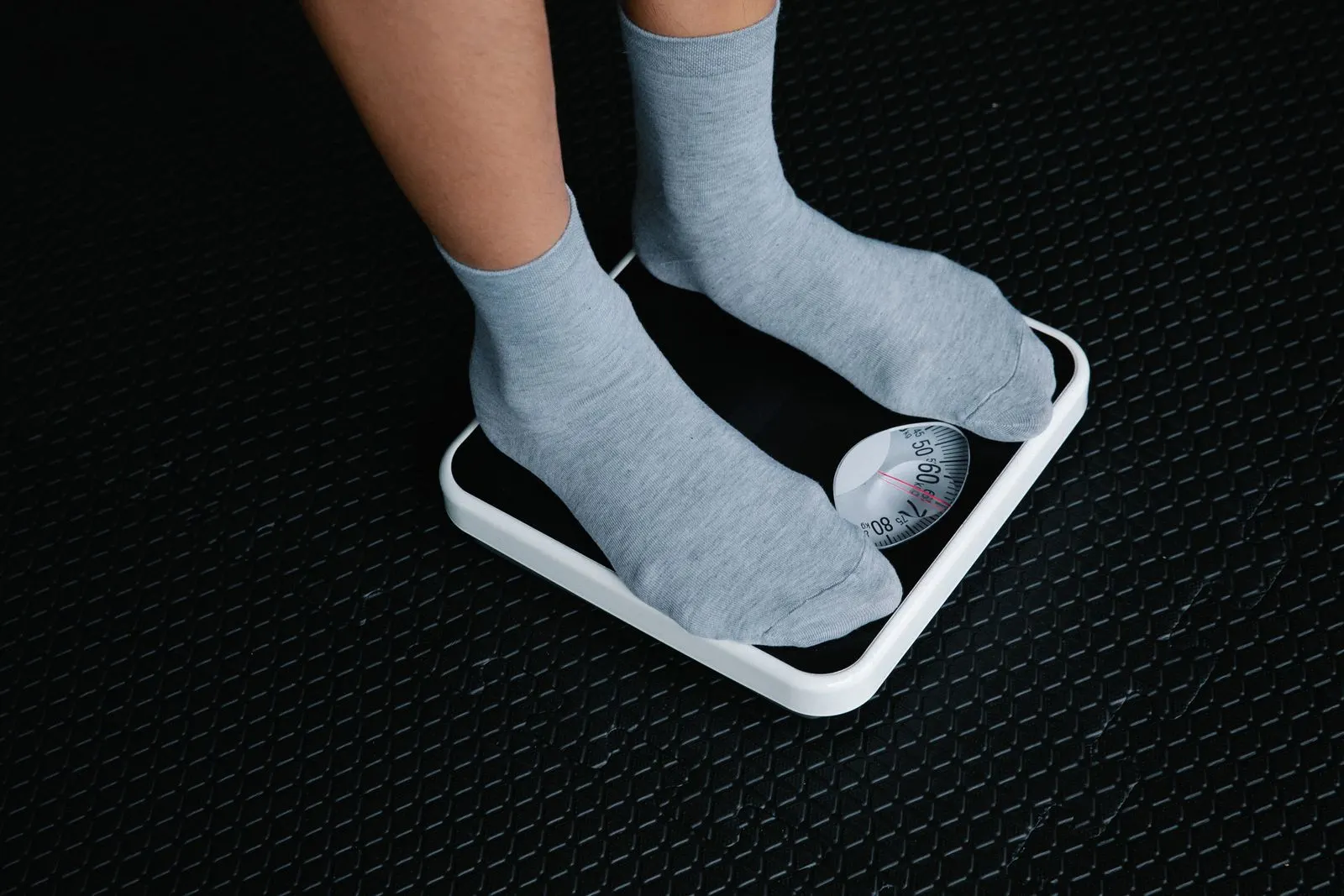
These numbers count everyone assigned to each group, including people who stopped early. Average weight loss was 17.6% on 4 mg, 23.7% on 9 mg, and 25.0% on 12 mg. On placebo it was 3.9%. Lilly's own summary, which counts only people who stayed on the medicine, reported 47.2, 64.4, and 70.3 pounds. Lilly also reported that 65.3% of people on 12 mg ended with a BMI under 30. Triglycerides fell by up to 41%. Systolic blood pressure fell by up to 12.3 points. Those secondary results matter for sleep apnea patients, who often also have high blood pressure and heart risk.
How retatrutide works
It is one molecule that acts on three hormone receptors at once: GLP-1, GIP, and glucagon.
Receptors are like locks on your cells, and hormones are the keys. GLP-1 and GIP are gut hormones that tell your brain you are full, slow how fast food leaves your stomach, and help control blood sugar. Wegovy (semaglutide) turns one of those locks. Zepbound (tirzepatide) turns two. Retatrutide turns three: it also acts on the glucagon receptor, which may raise how much energy your body burns. News stories sometimes call it a GLP-3. Lilly says that is not a real scientific term; the correct phrase is triple agonist.
Side effects in the study
Mostly stomach and bowel problems, more common at higher doses, plus a skin-tingling side effect that needs more study.
The side effects looked like those of other GLP-1 medicines. Most were mild to moderate. In Lilly's June 2026 summary, nausea affected 28.6% of people on 4 mg, 38.4% on 9 mg, and 42.4% on 12 mg, compared with 14.8% on placebo. Diarrhea affected 25% to 34%, constipation 24% to 26%, and vomiting 11% to 25%. Dysesthesia, which means tingling, burning, or odd skin sensations, affected 5% to 12.5% of people on retatrutide and under 1% on placebo. Urinary tract infections were a little more common too. The share of people who quit because of side effects was 4.1% on 4 mg, 6.9% on 9 mg, and 11.3% on 12 mg, compared with 4.9% on placebo.
| Side effect | Placebo | 4 mg | 9 mg | 12 mg |
|---|---|---|---|---|
| Nausea | 14.8% | 28.6% | 38.4% | 42.4% |
| Diarrhea | 13.5% | 25.2% | 34.1% | 32.0% |
| Constipation | 10.9% | 23.8% | 25.9% | 26.1% |
| Vomiting | 4.8% | 10.6% | 22.8% | 25.3% |
| Skin tingling (dysesthesia) | 0.9% | 5.1% | 12.3% | 12.5% |
| Stopped because of side effects | 4.9% | 4.1% | 6.9% | 11.3% |
Percentages are the share of people in each group who reported the problem at least once during 80 weeks.
Why you cannot get retatrutide, and why you should not buy it online
It is not approved by the FDA or any regulator, and products sold as retatrutide are unapproved and possibly harmful.
Lilly says retatrutide is legally available only to people in its clinical trials. No one should take anything claiming to be retatrutide outside a trial. Lilly has not given a launch date. Even so, websites sell vials and powders labeled retatrutide, often marked for research use only, and some clinics advertise it. The FDA says compounding pharmacies cannot legally make retatrutide. It is not part of any approved drug. The FDA has warned telehealth companies, ingredient distributors, and repackagers about it. The FDA urges people not to buy these products because their quality is unknown and they may be harmful. A vial could contain too much, too little, or the wrong substance.
What to do about sleep apnea now
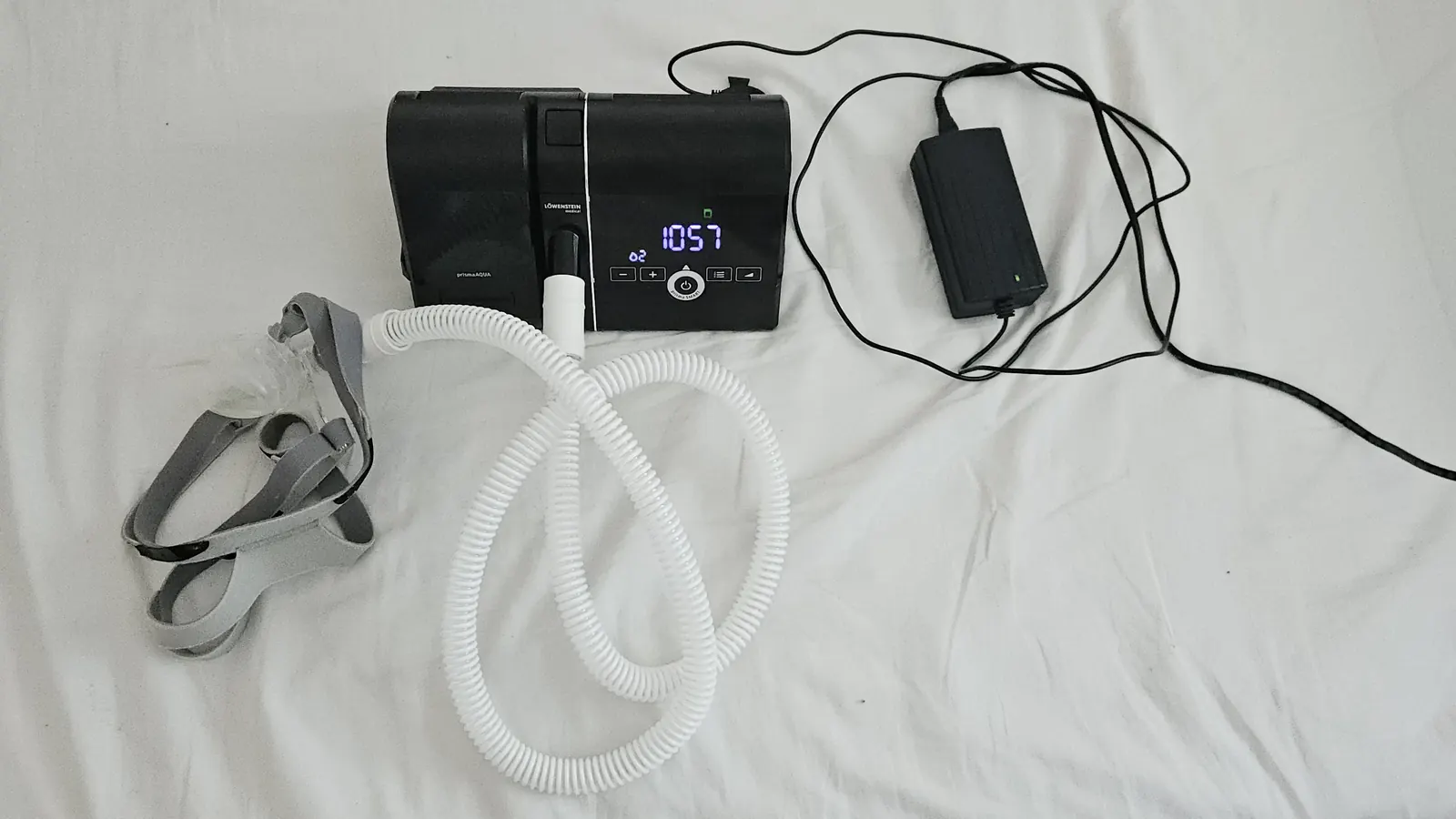
Treat it today. Weight-loss medicine can be part of the plan, and Zepbound is already approved for sleep apnea in adults with obesity.
Untreated sleep apnea raises the risk of high blood pressure, heart problems, and car crashes from sleepiness. Waiting a year or more for a new drug is not a plan. If you have not been tested, a home sleep apnea test or an in-lab study can confirm the diagnosis and measure your AHI. If you have obesity and moderate to severe sleep apnea, ask about Zepbound, which the FDA approved for that use in December 2024. Insurers usually want a sleep study and a BMI on file first. Modern Sleep and Metabolic Institute refers patients to doctors who prescribe Zepbound, including Dr. William Scott DiGiacomo. CPAP, oral appliances, positional therapy, and surgery or an implant remain options, and many people combine weight treatment with one of them. Whatever you choose, plan a repeat sleep test before changing or stopping treatment.
- Bring your sleep study report, your current treatment and its usage data, your weight history, and your medicine list.
- Tell your clinician about any history of pancreatitis, gallbladder disease, or thyroid cancer in your family before starting a GLP-1 medicine.
- Do not use any product sold as retatrutide, even one that comes with dosing instructions.
Appointment checklist
Questions to bring to your sleep or weight visit
Keep notes on paper or in a secure patient portal, not on a public website. These questions help you leave with a plan you can start now.
- 1
Do I qualify for Zepbound for sleep apnea?
Ask whether your sleep study, BMI, and health history meet the FDA indication and your insurer's rules.
- 2
How will we know the medicine is working?
Ask when a repeat sleep test or device download will check your AHI, not only your weight.
- 3
Should I keep CPAP while losing weight?
Ask what stays the same until a repeat test, and what sleepiness or driving limits apply meanwhile.
- 4
What side effects should make me call?
Ask about severe stomach pain, repeated vomiting, dehydration, and any tingling or skin sensations.
- 5
What about retatrutide later?
Ask how your clinician would decide whether to switch if and when the FDA approves it.
Common questions
Questions patients ask first
Is retatrutide FDA approved for sleep apnea?
No. As of October 2026, retatrutide is investigational and is available only inside Eli Lilly's clinical trials. It is not approved for sleep apnea, weight loss, or any other use. Zepbound was the first weight-loss medicine approved for moderate to severe sleep apnea in adults with obesity, and it is available now.
How much did retatrutide reduce sleep apnea?
TRIUMPH-1 included 243 people with moderate to severe obstructive sleep apnea. Over 80 weeks, their apnea-hypopnea index fell by 22.8 (4 mg), 34.3 (9 mg), and 32.1 (12 mg) events per hour. On placebo, it fell by 9.6. Lilly reported a starting average of 58.6 events per hour.
Can retatrutide replace CPAP?
The study did not test that. It measured breathing events per hour, not whether people could stop CPAP. Even with a large drop, the average person in the study still had moderate sleep apnea. Any change to CPAP should follow a repeat sleep test ordered by your clinician.
Is retatrutide better than Zepbound for sleep apnea?
No one knows yet. The two medicines were studied in different trials with different people and durations, and they have not been compared head to head. Only Zepbound is approved and available.
Can I buy retatrutide online?
Products labeled retatrutide are sold online, but they are unapproved, not made by Lilly, and cannot legally be compounded in the United States. The FDA warns that their quality is unknown and they may be harmful. Do not use them.
When will retatrutide be available?
Lilly has not announced a date. Until then, the only legal way to receive retatrutide is in a clinical trial.
Can Modern Sleep and Metabolic Institute prescribe Zepbound for my sleep apnea?
Modern Sleep and Metabolic Institute refers patients to doctors who prescribe Zepbound, including Dr. William Scott DiGiacomo. Bring your sleep study report and weight history to the visit; prescribers and insurers usually ask for both.
Authoritative sources
Review the public guidance
- Jastreboff AM et al. Retatrutide, a Triple Hormone Receptor Agonist, for Treatment of Obesity (TRIUMPH-1). New England Journal of Medicine, September 29, 2026
- TRIUMPH-1 trial registration, NCT05929066 (ClinicalTrials.gov)
- Eli Lilly press release on TRIUMPH-1 and TRANSCEND-T2D-1 results, June 6, 2026
- Eli Lilly: What to know about retatrutide (FAQ, updated September 2026)
- FDA: FDA's concerns with unapproved GLP-1 drugs used for weight loss (current as of October 1, 2026)
- FDA: FDA approves first medication for obstructive sleep apnea (Zepbound), December 20, 2024
- AASM: Obstructive sleep apnea severity (AHI) definitions
Medically reviewed by Domenico Savatta, MD, FACS on October 11, 2026. Source links support education, not a personal recommendation.