
Confirm it is condensation
Water droplets, gurgling, or a wet stream in the tube differ from mask leak and humidifier spill.
Note where water appears, when it begins, room temperature, climate settings, and whether the chamber was overfilled. Check seals and keep the machine level below the mattress so water is less likely to reach the mask.
Why water collects in the hose
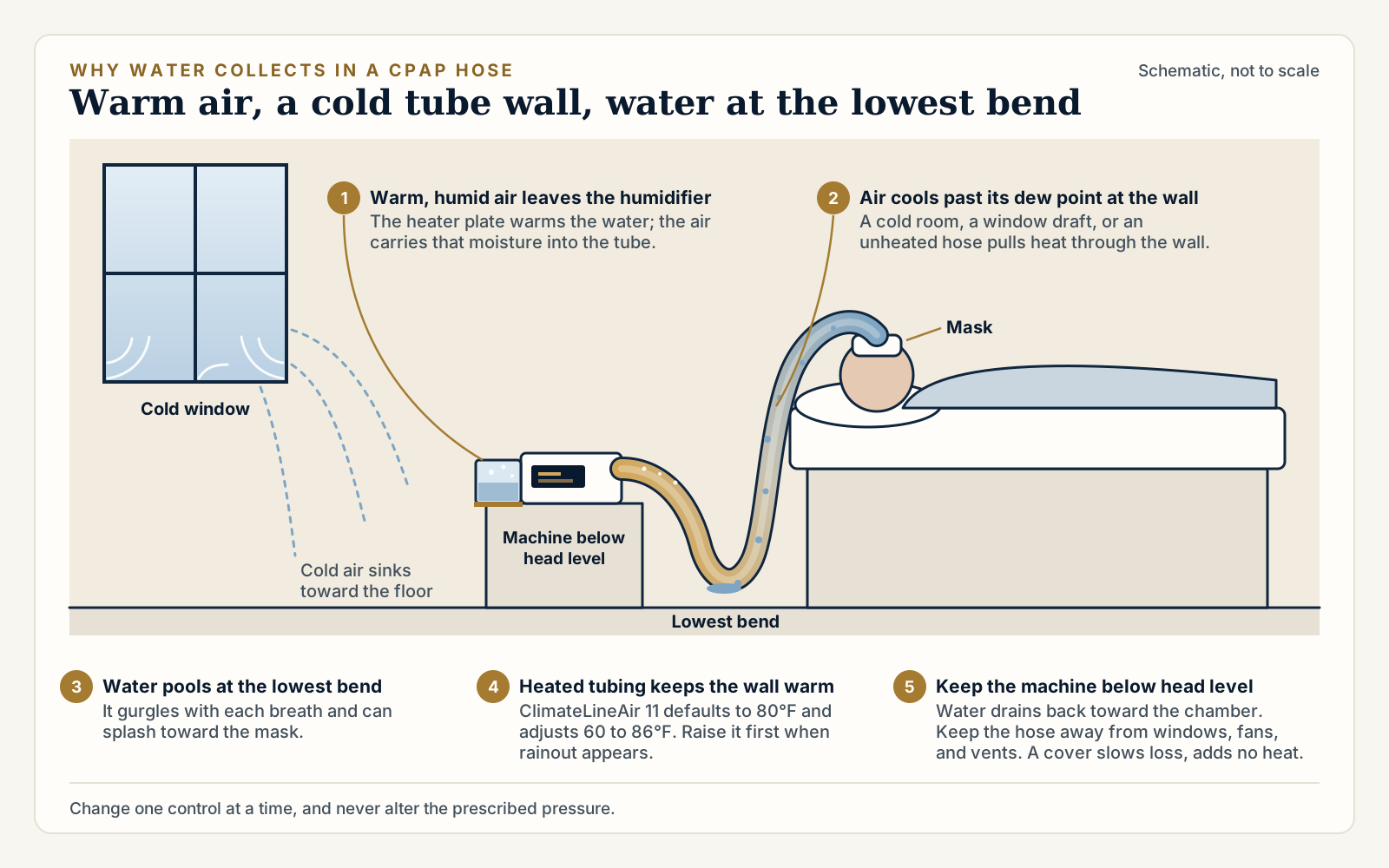
Warm humid air holds more water than cool air; once it cools past its dew point inside the tube, the extra water drops out.
As humidified air travels through a hose at bedroom temperature it cools, and cooler air cannot carry as much water vapor. The temperature at which vapor turns back into liquid is the dew point. Below it, water condenses on the tube wall, pools at the lowest bend, and gurgles or runs toward the mask. The wider the gap between the humidified air and the room, the sooner it happens.
What heated tubing does
A heated tube keeps the air above its dew point along the whole hose so it reaches the mask as vapor, not water.
Philips Respironics says DreamStation heated tubing controls the air temperature so it does not cool down before reaching the mask. ResMed’s ClimateLineAir 11 guide sets the automatic tube temperature at 80°F (27°C), adjustable from 60 to 86°F (16 to 30°C), and holds 85% relative humidity to protect against rainout. In manual mode ResMed says rainout protection is not guaranteed: if rainout occurs, first raise the tube temperature; if the air becomes too warm and rainout continues, lower the humidity. Change one control at a time.
Interactive simulation
Watch the dew point decide where water forms
Set the bedroom temperature, the humidifier output, and the tube heat, then watch where the air cools past its dew point inside the hose. Add a hose cover or switch the heated tube off to see what each change does on its own.
A teaching model of the dew-point idea, not a measurement of any machine or bedroom. Follow the manufacturer's climate guidance, change one control at a time, and never alter the prescribed pressure.
When heated tubing is not enough or not available
Reduce heat loss along the hose and shrink the gap between the air and the room.
Keep the machine below head level so water drains back toward the chamber; Philips requires its humidifier to sit level and below the mask connection. Run the tube under the blanket or inside a fabric hose cover; ResMed suggests a tubing wrap for very cold rooms. Keep the hose away from windows, fans, and vents, and warm the bedroom a few degrees if you can. If water still appears, lower the humidity one step and give it several nights. Never add heat with heating pads, unapproved wraps, or electrical accessories.
Adjust one variable at a time
Small tracked changes make the cause visible.
Follow the manufacturer’s instructions for automatic climate mode, humidity, and tube temperature. Change one control by one step, record the result for several nights, and only then change the next. Do not alter the prescribed pressure; pressure is set to treat the airway, not to manage condensation.
Mask condensation versus hose rainout
Water in the mask usually means the air carries more moisture than the cooler mask can hold; water in the hose means the tube is cooling the air.
Droplets on the cushion, fog inside a full-face mask, or a wet face mean moisture reached the mask; ResMed’s guide says to turn the humidity down when moisture collects in the mask and up when the nose or mouth feels dry. Pooling, gurgling, or a cold stream from the tube mean the hose is cooling the air, which heated tubing and insulation address. Exhaled breath also fogs a full-face mask, so light fog on waking is not the same as water running out of the hose.
Keep cleaning and water safety separate
Rainout is not fixed by unsafe cleaning or additives.
Use the water type and chamber care directed by the manufacturer. Empty and dry components as instructed. Do not add fragrances, oils, medicines, or cleaning chemicals.
Protect full-night use
Repeated awakenings and mask removal can leave OSA untreated.
If rainout makes use impossible, contact the supplier promptly for compatible tubing, covers, chamber checks, or setup help. NHLBI notes you may need your healthcare provider’s help with the humidifier chamber or settings. Continue only within safe equipment instructions.
Winter setup checklist
Cold bedrooms widen the temperature gap, so set up for winter before the first cold night.
Confirm the heated tube is connected and its temperature setting is on. Return climate control to the manufacturer’s automatic mode if it was changed. Route the hose under the covers or into a cover, keep the machine below the mattress, and keep it away from the window and any vent. Keep the room from falling far below its daytime temperature overnight, and fill the chamber to the line with the water the manufacturer specifies. If water still appears, log the room temperature and settings for the supplier.
Escalate when the pattern is not just climate
Cough, aspiration concern, damaged equipment, or persistent symptoms needs review.
Stop using visibly damaged electrical equipment and follow manufacturer support. Seek clinical advice for breathing difficulty, chest pain, fever, or repeated choking that cannot be explained by a small amount of condensation.
Appointment checklist
Record the climate setup before changing it
A short equipment log helps the supplier isolate the problem.
- 1
Device details
List model, humidifier, heated-tube compatibility, mask, hose, and current tube-temperature and humidity settings.
- 2
Room pattern
Record temperature, fan or vent exposure, machine height, tubing path, and when water begins.
- 3
Where the water is
Note whether it pools in the hose, drips from the mask, or fogs the cushion; the fix differs.
- 4
Water handling
Confirm fill line, approved water, chamber seating, cleaning, and drying.
- 5
Single change
Document one manufacturer-approved adjustment—tube temperature first for hose water, humidity down one step for mask water—and the next-night result.
Common questions
Questions patients ask first
How do I stop water getting into my CPAP hose?
Warm the air path and reduce cooling: turn heated tubing on or raise its temperature one step, keep the machine below head level, cover the hose or route it under the blanket, keep it out of drafts, and warm the room. Lower the humidity one step only if water still reaches the mask.
Which CPAP setting stops rainout?
Tube temperature first, then humidity. ResMed’s ClimateLineAir guidance is to raise the tube temperature when rainout occurs and, if the air becomes too warm while rainout continues, to lower the humidity. Automatic climate mode manages both on compatible devices.
Does heated tubing stop rainout?
Usually it reduces it a great deal because the air no longer cools below its dew point in the tube, but a very cold room, a hose in a draft, a high humidity setting, or an overfilled chamber can still produce water. ResMed says rainout protection is not guaranteed in manual mode.
Why is there water in my CPAP mask?
The air reaching the mask carries more moisture than the cooler mask can hold, or exhaled breath is condensing inside a full-face mask. Turn the humidity down one step, keep the tube warm so hose water does not run forward, and check the cushion and seal.
Does a hose cover replace heated tubing?
No. A cover slows heat loss but adds no heat, so it helps most in mildly cool rooms or alongside heated tubing. Use a manufacturer-approved cover or tubing wrap, never a heating pad or unapproved electrical wrap.
Is CPAP rainout dangerous?
Small condensation is usually an equipment comfort problem, but pooled water, electrical exposure, choking, or inability to use therapy requires prompt correction.
Should I turn off the humidifier?
Not automatically. Lower humidity may reduce condensation but worsen dryness. Use the manufacturer’s climate guidance and team support.
Why does rainout happen only in winter?
A colder room or a hose exposed to cold air widens the gap between the humidified air and the room, so the air drops below its dew point sooner.
Authoritative sources
Review the public guidance
- ResMed: Avoid CPAP Rainout
- ResMed: ClimateLineAir 11 User Guide
- Philips Respironics: DreamStation Heated Humidifier User Manual
- FDA: CPAP Machine Cleaning Safety
- AASM: Positive Airway Pressure Treatment Guideline
- NHLBI: CPAP
Medically reviewed by Domenico Savatta, MD, FACS on September 13, 2026. Source links support education, not a personal recommendation.